
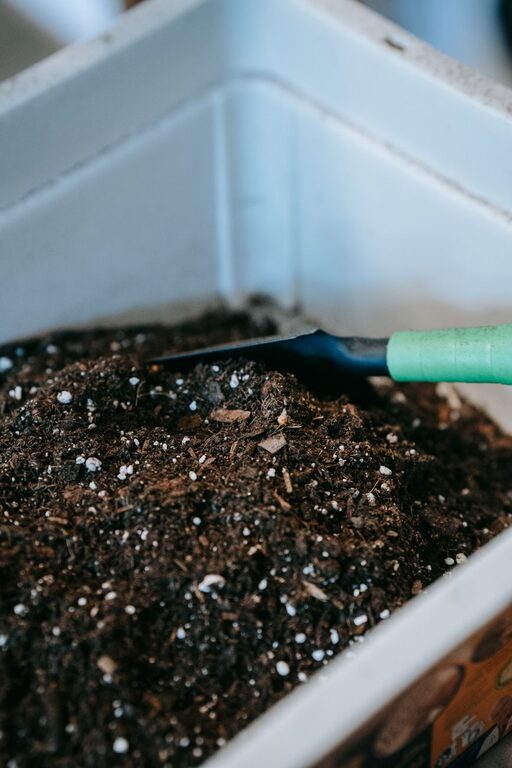
Composting at home is a rewarding and environmentally friendly way to reduce kitchen and yard waste while enriching your garden soil. If you’re new to composting, it might seem a little overwhelming at first, but with the right approach, you can create nutrient-rich compost that benefits your plants and the planet. This guide will walk you through the beginner tips for successful home composting.
What Is Composting?
Composting is the natural process of recycling organic material like food scraps and yard waste into a rich soil amendment known as compost. Compost improves soil structure, provides nutrients to plants, and helps retain moisture.
Why Compost at Home?
– Reduces landfill waste: Composting diverts organic waste from landfills, lowering greenhouse gas emissions.
– Enhances garden health: Compost boosts soil fertility and encourages healthy plant growth.
– Saves money: Less need for chemical fertilizers and soil conditioners.
– Promotes sustainability: It’s an easy step toward a greener lifestyle.
Getting Started: What You’ll Need
Before you begin, gather some basic materials and choose a composting method that suits your space and lifestyle.
Choose Your Composting Method
– Compost bin: A container designed to keep your compost contained and neat.
– Compost pile: An open heap, ideal for larger yards.
– Tumbler: A rotating bin that speeds up decomposition.
– Vermicomposting: Using worms to break down food scraps, great for indoor or small-space composting.
Gather Supplies
– Organic waste: Kitchen scraps like vegetable peels, coffee grounds, eggshells, and yard debris like leaves and grass clippings.
– Compost bin or designated area: Make sure it’s accessible and well-ventilated.
– Water source: Compost needs moisture but should not be soggy.
– Garden tools: A pitchfork or shovel for turning the pile.
Beginner Tips for Successful Composting
1. Balance Green and Brown Materials
Compost needs a mix of green (nitrogen-rich) and brown (carbon-rich) materials to break down properly.
– Green materials: Fresh plant waste like fruit and vegetable scraps, coffee grounds, grass clippings.
– Brown materials: Dry leaves, shredded paper, cardboard, small branches.
Aim for about 2 to 3 parts brown to 1 part green. Too much green can create a smelly, slimy mess; too much brown slows decomposition.
2. Chop or Shred Larger Items
Smaller pieces break down faster. Chop vegetable scraps and shred leaves or cardboard before adding them to the pile.
3. Keep Your Pile Moist but Not Wet
Your compost should feel like a damp sponge—moist but not dripping. Water it occasionally, especially in dry weather, but avoid overwatering, which can cause odor problems.
4. Turn Your Compost Regularly
Aerating the compost by turning it every 1-2 weeks introduces oxygen, which speeds up decomposition and prevents odors. Use a pitchfork or shovel for easy mixing.
5. Avoid Adding These Items
Certain materials can cause problems in your compost or attract pests. Keep out:
– Meat, dairy, and oily foods
– Diseased plants
– Pet waste
– Weeds with seeds
– Treated wood or synthetic materials
6. Be Patient
Composting takes time—typically a few months to a year depending on conditions. Hot compost piles break down faster but require more attention. Cooler piles take longer but still produce great compost.
Troubleshooting Common Issues
Smelly Compost
Usually caused by too much green material or excess moisture. Add more brown materials and turn the pile to aerate.
Slow Decomposition
Add more green materials and turn the pile to increase oxygen flow. Keep the pile moist but not wet.
Pests or Rodents
Avoid meat and dairy scraps. Keep your compost covered, and consider using a closed bin if pests are a problem.
Using Your Finished Compost
Your compost is ready when it looks dark, crumbly, and earthy-smelling. Use it to:
– Enrich garden beds or flower pots
– Mulch around plants to retain moisture
– Improve lawn soil by spreading a thin layer on top
Final Thoughts
Starting to compost at home can seem intimidating, but by following these beginner tips, you’ll be on your way to creating rich, healthy soil and reducing your environmental footprint. Remember that composting is a natural process, so feel free to experiment and learn what works best for your space. Happy composting!