
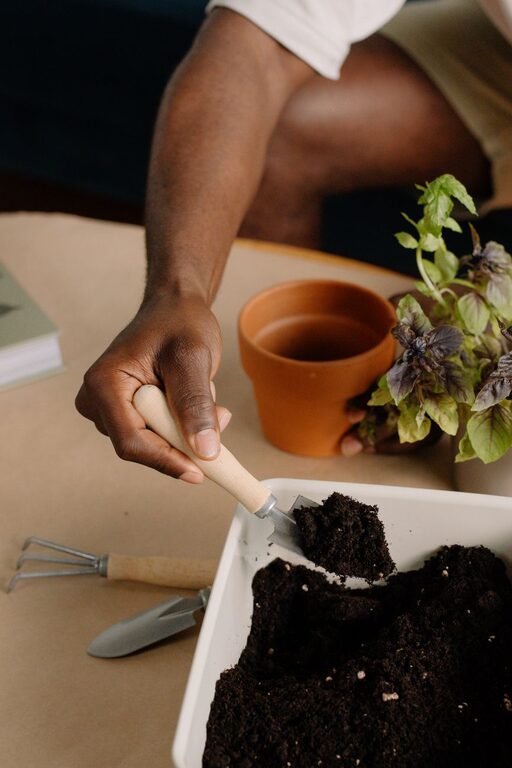
Starting a small herb garden indoors is a rewarding way to bring fresh flavors to your cooking while adding a touch of nature to your living space. Whether you have a spacious kitchen or just a cozy windowsill, growing herbs inside is easier than you might think. This guide will walk you through everything you need to know to get started with your very own indoor herb garden.
Why Grow Herbs Indoors?
Indoor herb gardening offers several benefits:
– Fresh herbs year-round: Avoid costly store-bought herbs and enjoy freshly picked leaves whenever you need.
– Space-efficient: Perfect for apartments, condos, or homes without outdoor garden space.
– Improved air quality: Some herbs help purify indoor air.
– Decorative: Adds greenery and a pleasant aroma to your home.
Choosing the Right Herbs for Indoor Growth
Not all herbs thrive equally indoors. Here are some popular and easy-to-grow options:
– Basil: Loves warmth and sunlight; great for Italian dishes.
– Mint: Grows quickly and is perfect for teas and desserts.
– Parsley: Hardy and multi-purpose, good for garnishing and flavor.
– Thyme: A low-maintenance herb that adds depth to many recipes.
– Chives: These mild onion-flavored herbs grow well inside.
– Cilantro: Prefers cooler temperatures and frequent watering.
Selecting the Right Containers
Your choice of containers matters for healthy plant growth.
– Size: Choose pots that are at least 4-6 inches deep to accommodate root growth.
– Material: Terracotta pots offer good breathability, but plastic containers retain moisture longer.
– Drainage: Make sure containers have drainage holes to prevent waterlogging.
Choosing the Right Soil
Use a high-quality, well-draining potting mix designed for indoor plants. Avoid garden soil, which can be too dense and may harbor pests.
Finding the Perfect Spot
Light is crucial for herb growth:
– Most herbs need 6-8 hours of sunlight daily.
– A south-facing window is usually ideal.
– If natural light is limited, consider using a grow light to supplement.
Planting Your Herbs
You can start your indoor herb garden from:
– Seeds: Cost-effective and rewarding, but require patience.
– Seedlings: Available at nurseries; quicker start for beginners.
– Herb cuttings: Some herbs like mint and basil propagate easily from cuttings.
Steps to Plant:
- Fill your pots with potting mix, leaving about an inch free at the top.
- Plant seeds or seedlings according to package instructions or plant tags.
- Water gently to moisten the soil but avoid soaking.
- Label your pots to keep track of different herbs.
Care and Maintenance Tips
Watering
– Herbs prefer moist soil but not soggy.
– Check soil moisture by inserting your finger about an inch deep; water if it feels dry.
– Avoid overwatering to prevent root rot.
Fertilizing
– Use a balanced, water-soluble fertilizer every 4-6 weeks.
– Over-fertilizing can reduce flavor intensity, so use sparingly.
Pruning and Harvesting
– Regularly pinch off the top leaves to encourage bushier growth.
– Harvest herbs in the morning when their oils are most concentrated.
– Avoid removing more than one-third of the plant at a time to keep it healthy.
Pest Control
– Watch for common indoor pests like aphids or spider mites.
– Use natural remedies such as neem oil or insecticidal soap if needed.
– Keep your plants clean and remove any dead leaves promptly.
Troubleshooting Common Issues
– Yellowing leaves: May indicate overwatering or poor drainage.
– Leggy growth: Often a sign of insufficient light; move plants closer to sunlight or add grow lights.
– Wilting: Check soil moisture—either underwatered or overwatered.
– Slow growth: Could be due to nutrient deficiency or inadequate light.
Additional Tips for Success
– Rotate your pots occasionally for even sunlight exposure.
– Group herbs with similar care needs together.
– Use trays under pots to catch excess water and protect surfaces.
– Experiment with different herb combinations to find your favorites.
Final Thoughts
Growing a small herb garden indoors is a simple and enjoyable way to enhance your cooking and decorate your home. With a little attention to light, water, and soil, you can enjoy fresh, aromatic herbs all year long. Start small, be patient, and watch your indoor garden thrive!
Happy gardening!