
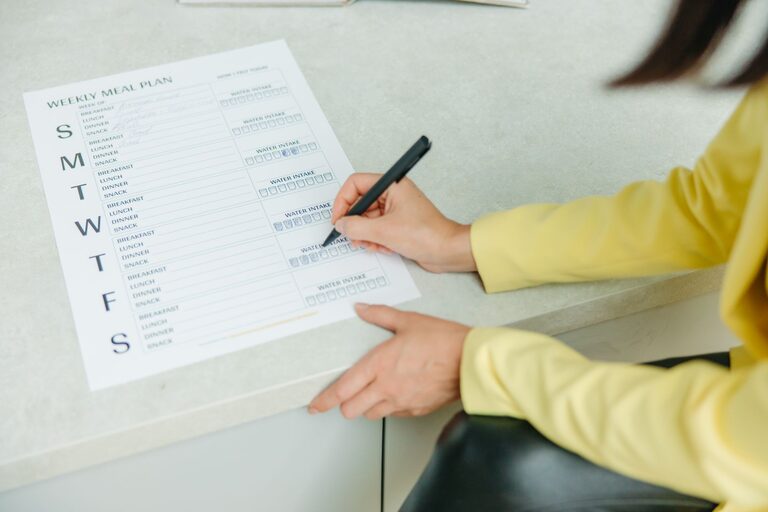
Creating a weekly meal plan might seem like a daunting task at first, but with a few simple steps, it can become a valuable tool to make your week easier and healthier. Whether you want to save time, reduce grocery trips, or just avoid the daily “what’s for dinner?” question, a meal plan can help. This guide will walk you through how to create a straightforward weekly meal plan that suits your lifestyle.
Why Create a Weekly Meal Plan?
Before diving into the how-to, it helps to understand the benefits of meal planning:
– Saves time: Planning ahead means fewer last-minute trips to the store and less time spent deciding what to cook.
– Reduces stress: With meals planned, you can relax knowing what’s coming up each day.
– Supports healthier eating: Planning allows you to balance your meals with nutritious ingredients.
– Cuts food waste: Buying the right amounts of food helps reduce leftovers and spoiled items.
– Saves money: When you shop with a list, you’re less likely to make impulse purchases.
Step 1: Assess Your Week
Start by looking at your upcoming week. Consider these factors:
– Number of meals to plan: Decide if you’re planning just dinners or all meals, including breakfast and lunch.
– Schedule: Note any busy days, social events, or plans that might affect your cooking time.
– Family preferences: Think about the likes and dislikes of everyone eating the meals.
– Available ingredients: Check what you already have in your pantry, fridge, or freezer.
Step 2: Choose Your Recipes
Select simple, versatile recipes that fit your week’s needs. Here’s how to make this easier:
– Pick easy and familiar dishes: Start with favorites that you and your family enjoy.
– Use leftovers creatively: Plan meals that can turn into lunch or dinner the next day.
– Focus on balanced meals: Include a good mix of protein, vegetables, and grains.
– Consider batch cooking: Recipes like soups, casseroles, or stir-fries often make good leftovers.
Sample Recipe Ideas
– Grilled chicken with roasted vegetables
– Veggie-packed pasta with tomato sauce
– Slow cooker chili
– Stir-fried tofu and mixed veggies
– Omelets with spinach and cheese
Step 3: Make a Meal Plan Template
Create a simple meal plan template to organize your week. You can use a printable chart, a spreadsheet, or a notebook. Divide it by days of the week and meals (breakfast, lunch, dinner, snacks).
Example:
| Day | Breakfast | Lunch | Dinner | Snacks |
|———–|——————–|——————-|——————–|——————|
| Monday | Oatmeal with fruit | Turkey sandwich | Grilled chicken | Yogurt & nuts |
| Tuesday | Smoothie | Leftover chili | Veggie stir-fry | Carrot sticks |
| … | … | … | … | … |
Step 4: Write Your Shopping List
Once your meals are planned, write down the ingredients you need to buy. Tips for efficient shopping:
– Organize your list by store sections (produce, dairy, meat, pantry).
– Check your pantry for items you already have.
– Include quantities to avoid overbuying.
– Consider adding staples like spices, oils, and condiments if they’re running low.
Step 5: Prep Ahead When Possible
If you have time, prepare some ingredients in advance:
– Wash and chop vegetables.
– Cook grains like rice or quinoa.
– Portion snacks or make sauces.
– Marinate proteins the night before.
This prep work can save valuable time on busy days.
Step 6: Stay Flexible and Adjust
Life happens, so be ready to adapt your plan if needed. Swap meals between days or use leftovers creatively. The goal isn’t perfection but making your week easier and enjoyable.
Bonus Tips for Successful Meal Planning
– Keep it simple: Don’t overcomplicate your plan with too many new recipes at once.
– Use theme nights: For example, Meatless Mondays, Taco Tuesdays, or Pasta Fridays to simplify decisions.
– Try batch cooking: Make double portions and freeze for future meals.
– Get the family involved: Ask for input or let others help with cooking.
– Review and refine: At the end of the week, note what worked well and what didn’t for next time.
Final Thoughts
Starting a weekly meal plan doesn’t have to be overwhelming. By assessing your week, choosing easy recipes, organizing your meals and shopping list, and prepping ahead, you can make cooking simpler and more enjoyable. With a little practice, meal planning becomes a natural part of your routine, giving you more time to relax and enjoy your meals.
Give it a try this week and see how much smoother your mealtimes become!